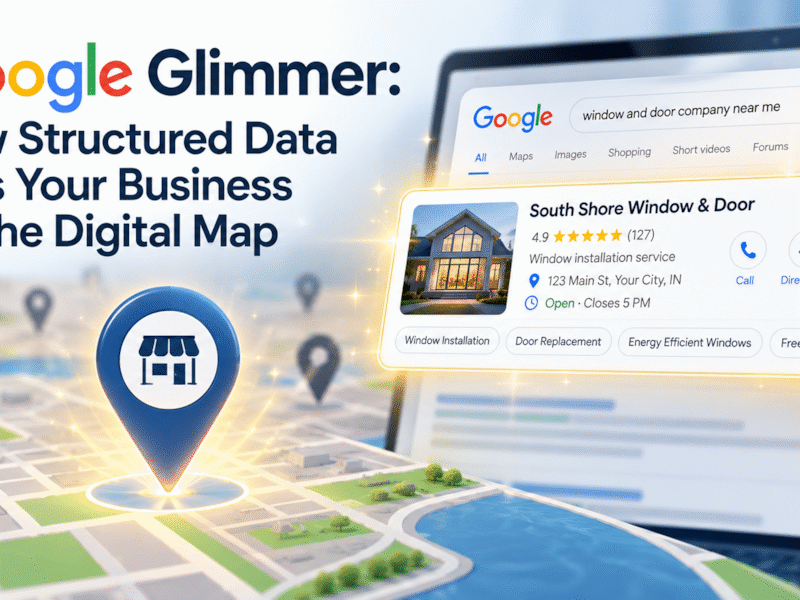
Have you ever wondered why some businesses dazzle on Google while others fade into the background? The secret often lies in Structured Data. This powerful tool elevates your online presence with those eye-catching "Rich Results" - think star ratings, product prices, or event details that draw users in.

In today’s digital age, search engines like Google and Chatbots like ChatGPT and Claude are no longer content simply indexing the words on your website. They seek to understand the essence of your website. Without structured guidance, your content may remain just a jumble of text. Structured Data connects the dots, labeling your content in a way that's crystal clear to machines:
Once search engines accurately grasp your message, your listing can transform into a rich, engaging presentation that stands out, enticing potential customers to click.
Implementing Structured Data is like giving your website superpowers. It makes it understandable for the next generation of search technologies. Just a few of the many benefits include:

You don’t need to see the code behind Structured Data to understand its value — but it helps to know what it does. It quietly lives inside your website, telling search engines and AI tools about your business, expertise, and offerings. It’s invisible to visitors but essential for helping your business appear in the right searches.
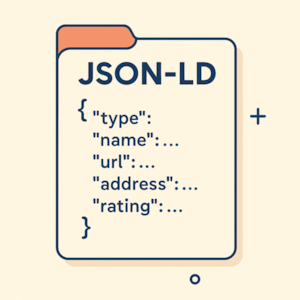
There are different ways to add Structured Data, such as Microdata, RDFa, and JSON-LD — but Google recommends JSON-LD because it’s clean, reliable, and easy for search engines to read without affecting your site’s design.
If coding sounds daunting, don’t fret. Partnering with experts like Marketpath or using platforms such as Marketpath CMS makes implementation seamless, requiring no coding knowledge.
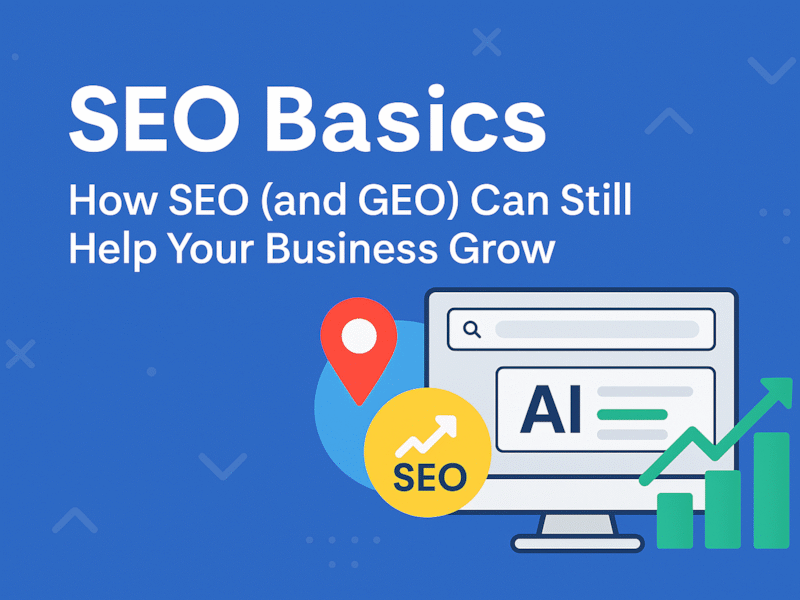
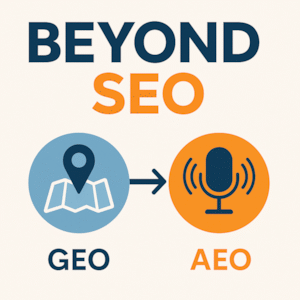
The search landscape is evolving, and Structured Data plays a pivotal role in that transformation. Two of the biggest emerging post-search technologies are Generative Engine Optimization (GEO) and Answer Engine Optimization (AEO). These strategies redefine how search engines and AI systems discover and recommend businesses like yours.
Generative Engine Optimization (GEO) highlights the importance of presenting readable, trustworthy content to AI engines. With well-marked pages, your business can feature prominently in AI-generated summaries.
Answer Engine Optimization (AEO) focuses on reaching voice and AI assistants. Employing techniques like FAQ Schema Markup allows your site to answer common questions, helping you stand out in voice and AI searches.

You don’t have to be technically savvy to make sure Structured Data is working for you. Utilize Google’s tools like the Rich Results Test or the Structured Data Validator to ensure everything reads accurately. If your site does not already contain Structured Data, consider heading over to TechnicalSEO’s Schema Generator to generate valid Structured Data for your business without requiring any coding knowledge.
With Marketpath CMS, managing your online content is effortless, staying SEO-friendly without coding:
If your current website doesn’t support Structured Data or requires manual updates, consider switching to Marketpath CMS for a modern, scalable solution to keep your online presence strong and easy to manage.
If you are interested in learning more about the details of JSON-LD, consider reading our follow-up article: A Developer's Guide to Making Code Understandable to Google and AI. There, we’ll cover how to actually ship Structured Data in production: the formats, the common schema types, how to inject it into modern frameworks, how to validate it before launch, and how to keep it accurate at scale.
Implementing Structured Data isn’t just a technical upgrade—it’s the key to helping search engines and AI systems comprehend your business. By organizing your information with clarity, you enhance the chances of attracting the right customers, highlighting your business’s unique offerings.
Collaborating with experts or leveraging tools like Marketpath CMS ensures you keep your site optimized and visible, making the journey to Structured Data success a smooth one.